Address
304 North Cardinal
St. Dorchester Center, MA 02124
Work Hours
Monday to Friday: 7AM - 7PM
Weekend: 10AM - 5PM
Address
304 North Cardinal
St. Dorchester Center, MA 02124
Work Hours
Monday to Friday: 7AM - 7PM
Weekend: 10AM - 5PM
In the realm of off-grid power systems, inverters serve as the critical bridge between stored direct current (DC) energy—from solar panels, batteries, or generators—and the alternating current (AC) power that fuels most household and industrial devices. Among the various types of inverters available, pure sine wave (PSW) and modified sine wave (MSW) models dominate the market, each distinguished by its waveform output, performance capabilities, and ideal applications. Understanding the fundamental differences between these two technologies is essential for anyone seeking reliable off-grid power, as the choice directly impacts device compatibility, energy efficiency, and long-term system reliability.
At the most basic level, the core distinction lies in the waveform each inverter produces. A pure sine wave inverter generates a smooth, continuous oscillating waveform that exactly mimics the electricity supplied by municipal power grids. This waveform follows a natural mathematical curve, with voltage rising and falling gradually in a symmetrical pattern. In contrast, a modified sine wave inverter produces a stepped, square-like waveform that approximates a sine wave but lacks its smoothness. Instead of a gradual transition, the voltage switches abruptly between positive, zero, and negative values, creating a “blocky” pattern that is simpler and cheaper to engineer. This difference in waveform design underpins nearly all other variations between the two types, from device compatibility to energy efficiency.
Device compatibility is perhaps the most critical factor differentiating pure sine wave and modified sine wave inverters. Pure sine wave power is universally compatible with all AC-powered devices, making it the gold standard for sensitive electronics and complex machinery. Sensitive equipment such as laptops, smartphones, medical devices (e.g., CPAP machines, oxygen concentrators), modern appliances with microprocessors (e.g., smart refrigerators, washing machines), and variable-speed tools rely on stable, clean power to operate safely and efficiently. The smooth waveform of pure sine wave inverters eliminates the risk of voltage spikes, harmonic distortion, or overheating, preventing damage to internal components and ensuring consistent performance. Even high-power devices like air conditioners and electric motors run more efficiently on pure sine wave power, as the smooth current flow reduces friction and wear, extending their lifespan.
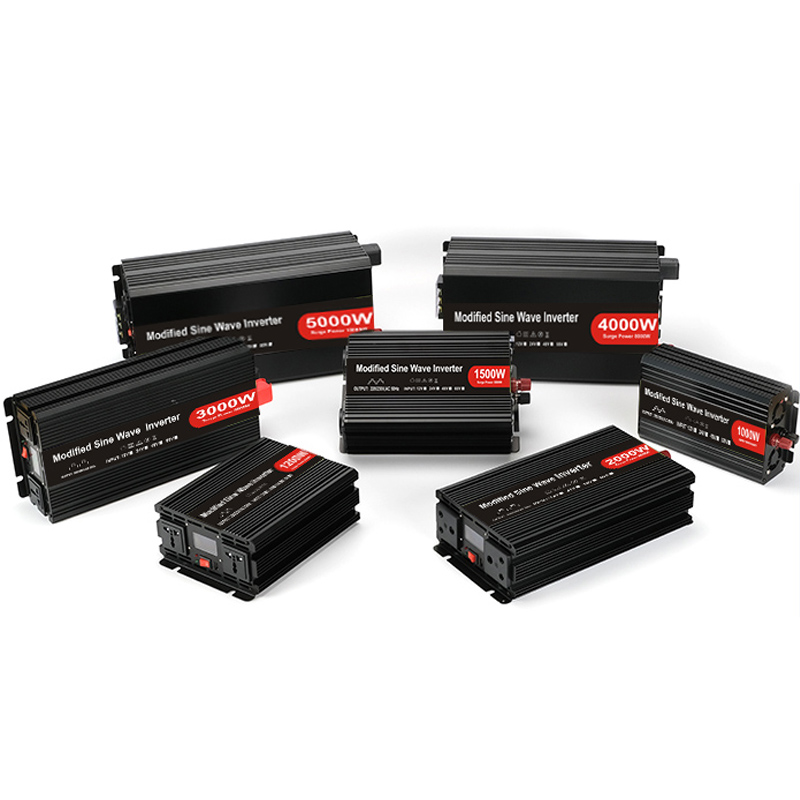
Modified sine wave inverters, by contrast, have significant limitations when it comes to device compatibility. Their stepped waveform can cause problems with sensitive electronics, leading to a range of issues: audio equipment may produce humming or static; digital displays may flicker or malfunction; and devices with microprocessors may experience glitches, slowdowns, or complete failure. Motors in appliances like refrigerators, fans, or pumps often run hotter and less efficiently on modified sine wave power, as the abrupt voltage changes create mechanical stress and energy waste. In some cases, modified sine wave power can even void the warranty of high-end electronics or precision equipment. However, they remain suitable for basic resistive loads—devices that convert electrical energy directly into heat or light—such as incandescent bulbs, space heaters, toasters, and simple power tools. For these applications, the lower cost of modified sine wave inverters makes them a practical, budget-friendly choice.
Energy efficiency is another key area of difference. Pure sine wave inverters typically have higher conversion efficiency, ranging from 90% to 95% (and sometimes higher in premium models). This means they waste less energy as heat during the DC-to-AC conversion process, maximizing the usable power from your battery bank or solar panels. Higher efficiency is particularly important for off-grid systems, where energy storage is often limited, and every watt counts. In contrast, modified sine wave inverters generally have lower efficiency, usually between 85% and 90%. The stepped waveform requires more energy to produce, and the harmonic distortion inherent in their design leads to greater energy loss. Over time, this inefficiency can translate to higher operating costs, shorter battery life, and the need for more frequent recharging—especially in systems with high power demands.
Cost and durability are also important considerations for many consumers. Modified sine wave inverters are significantly more affordable than pure sine wave models, often costing half as much or less for comparable power ratings. This makes them an attractive option for casual users, campers, or those with minimal power needs who prioritize cost over performance. However, their simpler design and lower-quality components (in some budget models) can result in shorter lifespans and less reliability compared to pure sine wave inverters. Pure sine wave inverters are more expensive upfront, but they are built with higher-quality materials and more advanced circuitry, making them more durable, reliable, and less prone to failure. Many premium pure sine wave models also come with longer warranties, providing peace of mind for long-term off-grid living or critical applications.
Installation and usability further highlight the differences between the two types. Both inverters are generally easy to install, with plug-and-play designs and clear user instructions. However, pure sine wave inverters often offer more advanced features that enhance usability and system integration. Many include built-in charge controllers, which optimize battery charging from solar panels; intuitive LCD displays that show real-time data on voltage, current, battery status, and power usage; and smart safety features like overload protection, short-circuit prevention, low-voltage shutdown, and overheating protection. Some high-end models even offer remote monitoring and control via smartphone apps, allowing users to manage their power system from anywhere. Modified sine wave inverters typically have fewer features, with basic displays (if any) and limited safety protections. While they are simple to operate, they lack the advanced functionality that makes pure sine wave inverters ideal for complex or long-term off-grid setups.
The choice between pure sine wave and modified sine wave inverters ultimately depends on your specific needs, budget, and intended use. If you require reliable power for sensitive electronics, modern appliances, or critical applications (such as medical equipment or full-time off-grid living), a pure sine wave inverter is the only practical choice. Its universal compatibility, high efficiency, and reliability justify the higher upfront cost, especially for systems where performance and longevity.

Hi, this is a comment.
To get started with moderating, editing, and deleting comments, please visit the Comments screen in the dashboard.
Commenter avatars come from Gravatar.