Address
304 North Cardinal
St. Dorchester Center, MA 02124
Work Hours
Monday to Friday: 7AM - 7PM
Weekend: 10AM - 5PM
Address
304 North Cardinal
St. Dorchester Center, MA 02124
Work Hours
Monday to Friday: 7AM - 7PM
Weekend: 10AM - 5PM
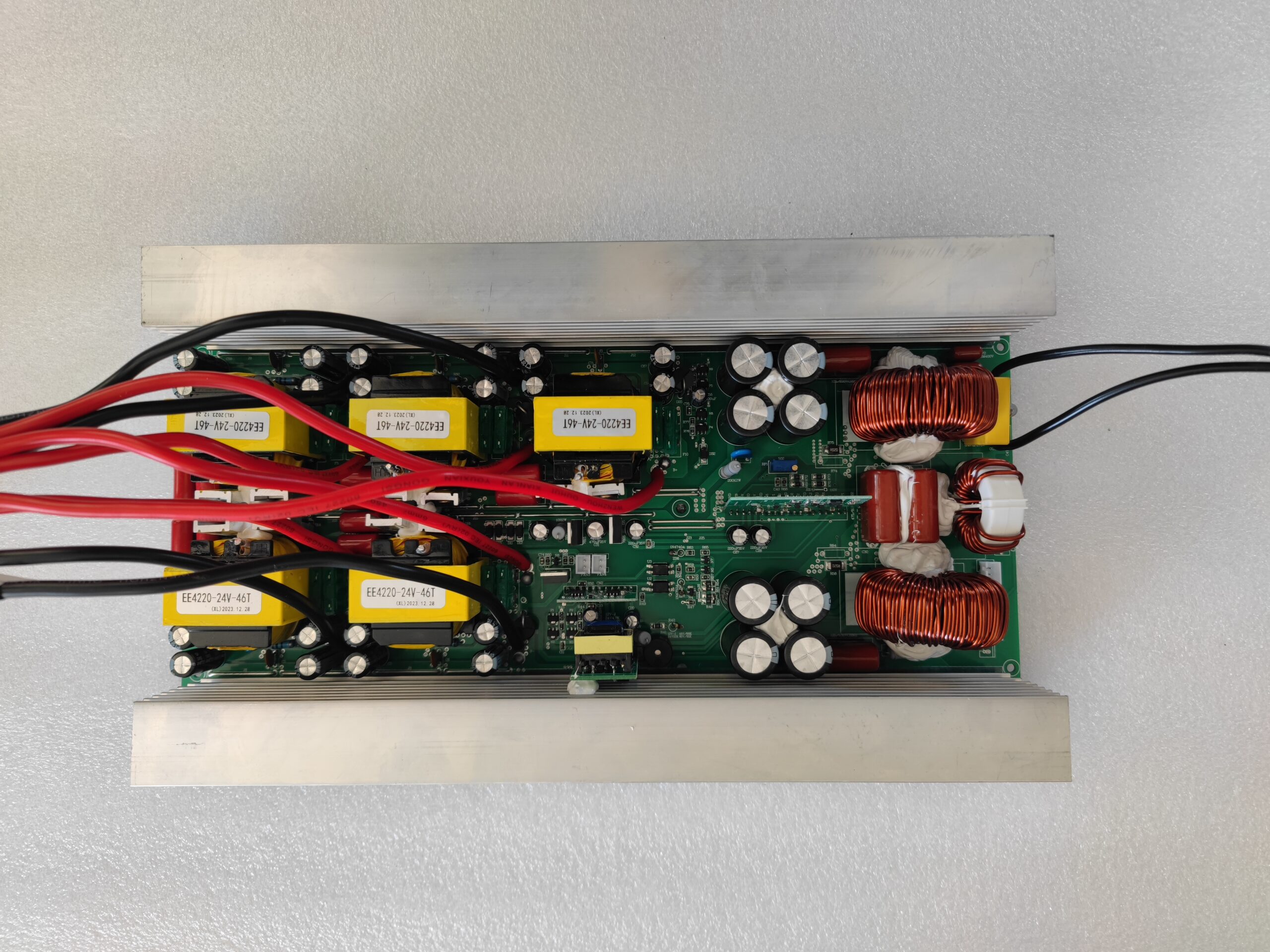
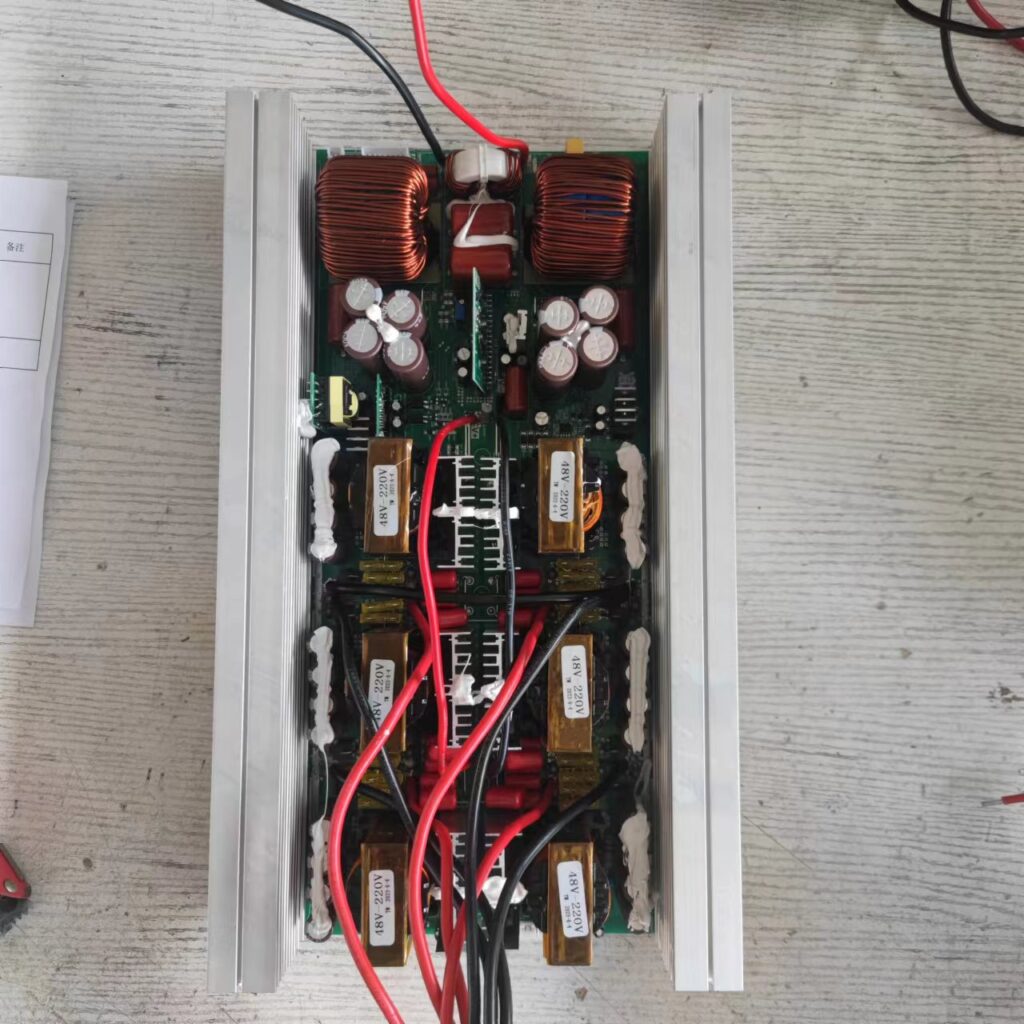
In the intricate web of modern electronics and energy systems, the power inverter board stands as an unsung yet indispensable component. At its core, a power inverter board is a specialized printed circuit board (PCB) engineered to convert direct current (DC) into alternating current (AC), the lifeblood of most residential, commercial, and industrial machinery. More than just a simple conversion device, it integrates advanced power semiconductors, control logic, and filtering circuits to deliver stable, efficient, and clean power. Its compact design, high energy conversion efficiency (often exceeding 97%), and robust performance have cemented its role as a foundational technology, finding pervasive applications across renewable energy, automotive, industrial, residential, medical, and telecommunications sectors. This article explores how power inverter boards drive functionality, efficiency, and sustainability in a vast array of products and industries.
Renewable Energy Systems: The Backbone of Green Power
The renewable energy sector is the largest and most critical market for power inverter boards, serving as the vital link between clean DC sources and usable AC power. In solar photovoltaic (PV) systems, both utility-scale solar farms and residential rooftop installations rely on inverter boards to transform the variable DC output of solar panels into grid-compliant AC electricity. High-power inverter boards for utility solar systems handle voltages up to 1,500V, with conversion efficiencies surpassing 98.5%, ensuring maximum energy harvest. They incorporate maximum power point tracking (MPPT) algorithms to optimize performance under fluctuating sunlight, while grid-tie models synchronize seamlessly with utility grids, enabling excess power to be fed back. Off-grid solar setups use inverter boards to power remote homes, agricultural operations, and telecommunications towers in areas without grid access.
Wind energy systems equally depend on inverter boards. Wind turbines generate variable DC power due to inconsistent wind speeds, and inverter boards convert this into stable AC power while regulating frequency and voltage for grid integration. Hybrid microgrids, which combine solar, wind, battery storage, and generators, use advanced inverter boards to manage seamless power transitions between sources, ensuring uninterrupted supply and reducing reliance on fossil fuels. In these applications, inverter boards are pivotal to the global shift toward sustainable energy, enabling the scalable adoption of renewable resources and reducing carbon footprints.
Automotive and Electric Transportation: Electrifying Mobility
The automotive industry’s transition to electric vehicles (EVs) has propelled power inverter boards to the forefront of transportation innovation. In EVs, the inverter board is a core component of the powertrain, converting high-voltage DC from the battery pack into three-phase AC to drive the traction motor. High-performance boards using silicon carbide (SiC) and gallium nitride (GaN) semiconductors deliver exceptional efficiency, enabling faster acceleration, longer driving ranges, and reduced charging times. Modern EV inverter boards support 800V ultra-fast charging architectures, allowing 15–80% battery charging in under 20 minutes.
Beyond EV propulsion, inverter boards power a host of automotive systems. On-board chargers (OBCs) use inverter circuits to convert grid AC to DC for battery charging, while bidirectional inverter boards enable vehicle-to-load (V2L) and vehicle-to-grid (V2G) capabilities, letting EVs power home appliances or feed energy back to the grid during peak demand. Commercial electric vehicles, including buses, delivery vans, and trucks, rely on heavy-duty inverter boards to handle high torque and continuous operation. Additionally, conventional vehicles use compact inverter boards to power accessories like navigation systems, entertainment units, and mobile chargers, converting 12V DC from the car battery to usable AC power.
Industrial Automation and Manufacturing: Precision and Efficiency
In industrial settings, power inverter boards are central to motor control, automation, and operational efficiency. Variable Frequency Drives (VFDs), which use inverter boards, control the speed and torque of industrial motors—such as pumps, fans, conveyors, and machine tools—by adjusting the frequency and voltage of the supplied power. This precision control delivers significant energy savings, with some systems reducing consumption by up to 40% compared to fixed-speed motors. Manufacturing assembly lines, robotics, and material handling equipment use inverter-driven motors for smooth, accurate movement, enhancing productivity and product quality.
Inverter boards also power critical industrial backup systems. Uninterruptible Power Supply (UPS) units for factories and data centers use high-performance inverter boards to provide instantaneous power during grid outages, preventing costly downtime and equipment damage. These boards ensure 0ms power transfer and maintain a near-perfect power factor, even under heavy loads. Heavy industries like mining, oil and gas, and marine engineering deploy ruggedized, corrosion-resistant inverter boards to operate machinery in harsh environments—high temperatures, dust, and saltwater—with exceptional durability. In mining, for example, high-power inverter boards have reduced equipment downtime by over 60%, boosting operational reliability.
Residential and Consumer Electronics: Powering Daily Life
Power inverter boards are deeply integrated into household and consumer products, quietly enabling modern convenience. Home appliances such as air conditioners, refrigerators, washing machines, and induction cooktops use inverter technology for energy-efficient operation. Inverter air conditioners, for instance, adjust compressor speed based on cooling needs, cutting energy use by 30–50% versus non-inverter models. Compact inverter boards also power small appliances: microwave ovens, LED lighting, home entertainment systems, and portable power tools.
For outdoor and emergency use, portable inverter boards let users run AC devices from DC sources like car batteries or portable power stations. Campers, RV users, and outdoor workers rely on these to power laptops, lights, and small appliances off-grid. Home energy storage systems, paired with rooftop solar, use bi-directional inverter boards to store excess solar energy in batteries for nighttime use or blackouts, enhancing energy independence. Smart home ecosystems integrate low-power inverter boards to regulate smart thermostats, security cameras, and voice assistants, ensuring stable power for connected devices.
Medical and Healthcare: Life-Saving Reliability
In healthcare, where power stability is a matter of life and death, power inverter boards deliver uncompromising reliability. Medical-grade inverter boards power critical equipment: MRI machines, CT scanners, ultrasound devices, patient monitors, and ventilators. These boards provide clean, stable power free from voltage fluctuations, protecting sensitive medical electronics and ensuring accurate diagnostics and treatment. Hospitals use large-scale UPS systems with industrial inverter boards to maintain uninterrupted power for operating rooms, ICUs, and life support systems during outages—some systems sustaining power for over 72 hours.
Portable medical devices, such as field diagnostic tools and emergency ventilators, use compact, low-power inverter boards to operate from battery power in ambulances, remote clinics, and disaster zones. These boards are designed for ultra-high efficiency and minimal noise, ensuring device portability and patient safety. Medical-grade inverter boards adhere to strict safety standards, featuring electrical isolation, over-voltage, and over-current protection to prevent harm to patients and equipment.
Telecommunications and Data Centers: Connectivity and Continuity
The telecommunications and data center industries depend on power inverter boards to maintain global connectivity. Data centers, which house servers and networking equipment, require constant, clean power. High-efficiency inverter boards in UPS systems provide instantaneous backup power during grid failures, ensuring 99.99% uptime. They also improve power quality, filtering out surges and harmonics that damage sensitive hardware. Telecommunication towers and base stations, often in remote areas, use inverter boards paired with solar or battery systems to power radio equipment, ensuring uninterrupted mobile and internet coverage.
Compact inverter boards power network switches, routers, and communication devices in offices and data centers. With the rise of edge computing, low-power inverter boards support distributed IoT gateways and sensors, processing data locally in harsh, remote environments. In all telecommunications applications, inverter boards ensure reliable, efficient power, underpinning global digital communication.
Conclusion
The power inverter board is a cornerstone of modern technology, with its influence spanning every major industry. From enabling renewable energy adoption and electrifying transportation to powering industrial precision, household convenience, life-saving medical care, and global connectivity, its role is irreplaceable. As demand for energy efficiency, sustainability, and portable power grows, advancements in wide-bandgap semiconductors, AI-driven control, and thermal management will push inverter board performance to new heights.
As industries evolve, the power inverter board will remain essential, turning DC power into the AC energy that drives progress. Its versatility, efficiency, and reliability make it not just a component, but a catalyst for innovation—powering the present and shaping a sustainable, electrified future across all sectors of the economy.