Address
304 North Cardinal
St. Dorchester Center, MA 02124
Work Hours
Monday to Friday: 7AM - 7PM
Weekend: 10AM - 5PM
Address
304 North Cardinal
St. Dorchester Center, MA 02124
Work Hours
Monday to Friday: 7AM - 7PM
Weekend: 10AM - 5PM


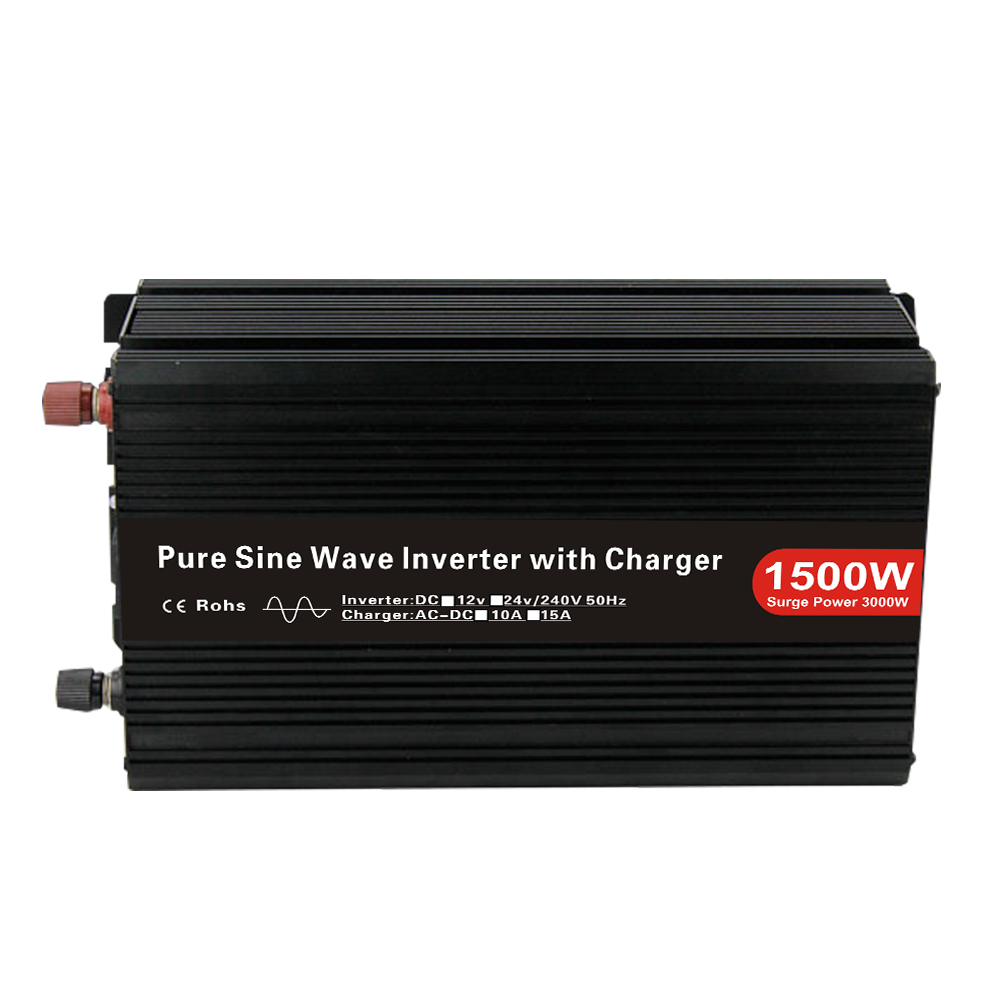
Power Inverter for Car: Unlocking the Potential of Mobile Energy
In the modern era of automotive technology, the vehicle has evolved from a simple mode of transportation into a mobile hub of connectivity, entertainment, and utility. At the heart of this transformation lies a crucial yet often overlooked component: the power inverter for car. Whether you are an avid camper, a remote worker, or simply someone who values convenience on long road trips, understanding the functionality, benefits, and safe usage of this device is essential for maximizing your vehicle’s potential.
A power inverter for car is an electronic device that converts the 12-volt direct current (DC) generated by a vehicle’s battery into 110-volt or 220-volt alternating current (AC). This conversion is vital because most household appliances, laptops, and sensitive electronic devices operate on AC power. Without a power inverter for car, your vehicle’s electrical system would be limited to powering only 12V accessories like phone chargers or portable vacuums. By bridging the gap between automotive DC and standard AC, this device effectively turns your car into a mobile power station.
The applications of a power inverter for car are remarkably diverse. For outdoor enthusiasts and campers, it enables the use of small kitchen appliances like coffee makers, blenders, or even portable refrigerators, significantly enhancing the comfort of off-grid living. For business travelers and remote workers, it provides the necessary power to keep laptops, cameras, and drones charged without relying on scarce public outlets. In emergency situations, a power inverter for car can be a lifesaver, providing power for medical devices, communication equipment, or essential lighting during power outages.
When selecting the right power inverter for car, it is important to consider the wattage and waveform type. Inverters are generally categorized by their continuous and peak power output. For charging small electronics like phones and tablets, a low-wattage inverter (under 300 watts) that plugs into the cigarette lighter is sufficient. However, for powering larger appliances, you will need a high-wattage inverter that connects directly to the car battery via heavy-duty clamps. Additionally, the waveform matters. Pure sine wave inverters produce clean, stable electricity identical to what comes from a wall outlet, making them ideal for sensitive electronics like medical equipment or high-end audio systems. Modified sine wave inverters are more affordable but may cause some devices to hum or overheat.
Safety is paramount when using automotive power electronics. A power inverter for car draws significant current from the battery, and improper use can lead to electrical damage or safety hazards. Always ensure that the inverter’s wattage rating exceeds the total wattage of the devices you plan to use. Never exceed the capacity of your vehicle’s cigarette lighter socket, which is typically fused at 15 amps (around 180 watts). For higher loads, always connect directly to the battery. Furthermore, ensure proper ventilation; inverters generate heat during operation and should never be covered or placed in direct sunlight. It is also advisable to turn off the inverter before starting the car to avoid potential voltage spikes that could damage the internal circuitry.
Looking toward the future, the role of the power inverter for car is set to expand dramatically with the rise of electric vehicles (EVs) and hybrid technologies. In EVs, the main traction inverter is already a critical component that converts battery DC to AC for the drive motor. Beyond propulsion, bidirectional charging technology is emerging, allowing EVs to not only draw power but also supply AC power back to a home or the grid during peak demand. This vehicle-to-grid (V2G) capability essentially transforms the EV into a massive, rolling power inverter for car applications, capable of powering an entire household for days. Even in traditional internal combustion vehicles, the integration of smart inverters with AI-driven energy management systems is on the horizon, optimizing power distribution to reduce fuel consumption and extend battery life.
In conclusion, the power inverter for car is much more than a simple accessory; it is a gateway to enhanced mobility and independence. Whether you are powering a laptop in a parking lot, running a mini-fridge at a campsite, or preparing for an emergency, this device provides the freedom to use standard AC power wherever the road takes you. As automotive technology continues to advance, the integration of high-efficiency inverters will only deepen, making the modern vehicle an even more versatile and indispensable tool for daily life. By understanding how to choose and safely operate a power inverter for car, you can unlock a new level of convenience and capability, ensuring that your journey is always powered and prepared.
