Address
304 North Cardinal
St. Dorchester Center, MA 02124
Work Hours
Monday to Friday: 7AM - 7PM
Weekend: 10AM - 5PM
Address
304 North Cardinal
St. Dorchester Center, MA 02124
Work Hours
Monday to Friday: 7AM - 7PM
Weekend: 10AM - 5PM
The Solar Panel Inverter: The Unsung Hero of the Renewable Energy Revolution
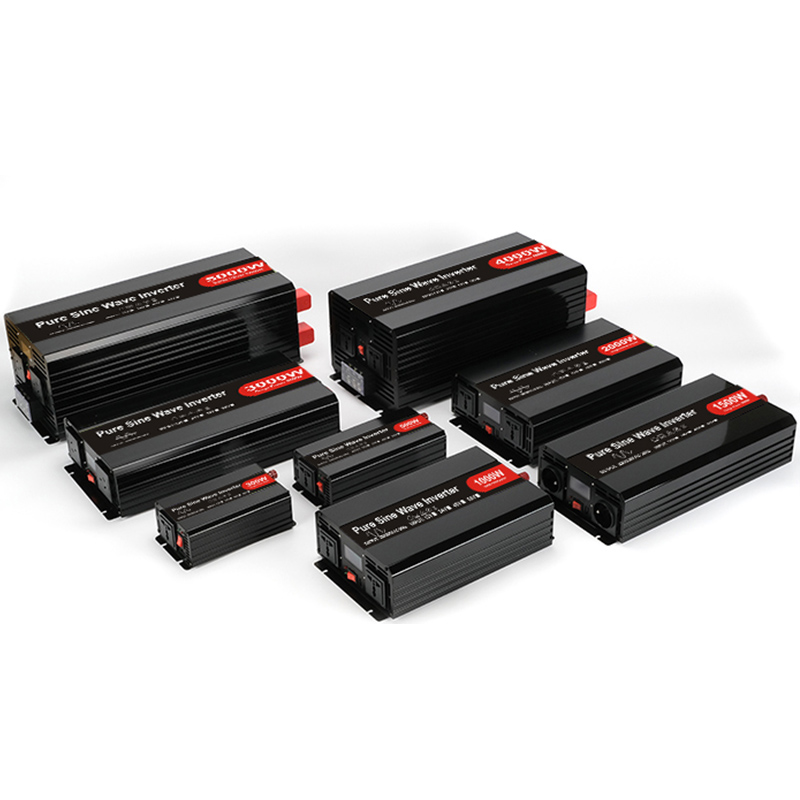
The global transition toward renewable energy is one of the most significant technological and economic shifts of the 21st century. At the heart of this transformation lies a critical component that often goes unnoticed by the general public: the solar panel inverter. While solar panels capture the sun’s energy, it is the inverter that makes that energy usable for modern homes and businesses. As the bridge between photovoltaic generation and the electrical grid, the solar panel inverter has evolved from a simple utility box into a sophisticated smart device that ensures efficiency, safety, and grid stability.
To understand the importance of this technology, one must first understand the nature of electricity. Solar panels generate Direct Current (DC) electricity, where electrons flow in a single direction. However, the power grid and almost all household appliances operate on Alternating Current (AC), where the flow of electrons periodically reverses. A standard solar panel inverter performs the essential function of converting this DC power into AC power. Without this conversion, the energy harvested by the panels would be incompatible with the infrastructure of our daily lives. Consequently, the efficiency of this conversion process is paramount; even a slight loss in conversion efficiency can result in significant energy waste over the lifespan of a solar system.
Historically, the market was dominated by string inverters, which connect a series of solar panels together. While cost-effective, this setup has a notable drawback: if one panel is shaded or dirty, the performance of the entire string can drop, much like a kink in a garden hose. This limitation led to the development of more advanced technologies, such as microinverters and power optimizers. A microinverter is a small solar panel inverter attached to each individual panel, allowing them to operate independently. This ensures that shading on one part of the roof does not affect the output of the others, maximizing the total energy harvest.
Beyond simple conversion, the modern solar panel inverter plays a crucial role in system monitoring and maintenance. Today’s inverters are equipped with Wi-Fi or cellular connectivity, allowing users to track their energy production in real-time via smartphone apps. This data is invaluable for homeowners to verify that their system is performing as expected and for installers to diagnose issues remotely. If a fault occurs, the inverter can shut down the system to prevent safety hazards, such as electrical fires or arc faults. This intelligence transforms the solar panel inverter from a passive component into the “brain” of the solar installation.
As the world moves toward decentralization of the power grid, the role of the inverter is expanding further. We are seeing the rise of hybrid inverters, which are designed to work in tandem with battery storage systems. These devices manage the flow of energy not just between the panels and the home, but also to and from batteries. This allows homeowners to store excess solar energy generated during the day for use at night or during power outages. In this context, the solar panel inverter becomes an energy manager, optimizing when to sell power to the grid, when to store it, and when to consume it, thereby maximizing economic return for the user.
Furthermore, inverters are essential for grid stability. As more renewable energy sources come online, the grid faces challenges in maintaining consistent voltage and frequency. Advanced inverters can provide “grid services,” such as voltage regulation and frequency response. They can adjust their output instantly to help balance the load on the grid, preventing blackouts and ensuring a stable power supply. This capability is vital for integrating high levels of renewable energy into existing infrastructure without requiring massive upgrades to transmission lines.
Looking to the future, the technology behind the solar panel inverter continues to advance rapidly. Researchers are developing inverters with higher efficiency ratings, smaller footprints, and longer lifespans to match the 25-year warranty of solar panels. There is also a push toward using wide-bandgap semiconductors, such as silicon carbide, which can handle higher temperatures and voltages more efficiently than traditional silicon. These innovations will drive down the cost of solar energy even further, making it the most affordable source of electricity in history.
In conclusion, while solar panels often grab the headlines for their sleek design and environmental benefits, the solar panel inverter is the workhorse that makes the entire system viable. It is the critical link that transforms raw sunlight into usable power, monitors system health, manages storage, and supports the electrical grid. As we continue to build a sustainable energy future, the importance of this unassuming box mounted on the wall cannot be overstated. It is, quite literally, the power behind the power.
