Address
304 North Cardinal
St. Dorchester Center, MA 02124
Work Hours
Monday to Friday: 7AM - 7PM
Weekend: 10AM - 5PM
Address
304 North Cardinal
St. Dorchester Center, MA 02124
Work Hours
Monday to Friday: 7AM - 7PM
Weekend: 10AM - 5PM
Solar Panel Inverter in North America: The Quiet Engine Behind the Region’s Clean-Power Growth
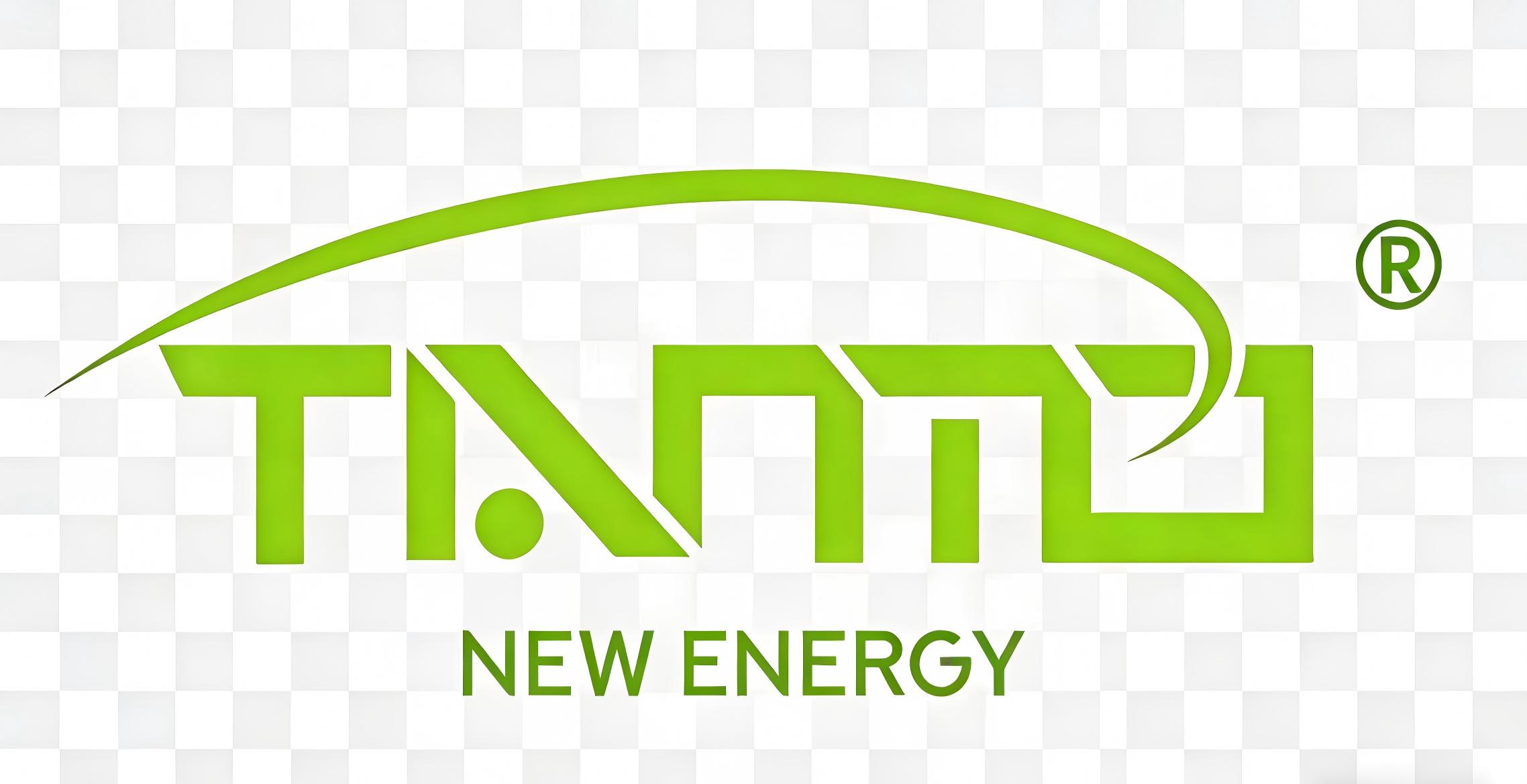
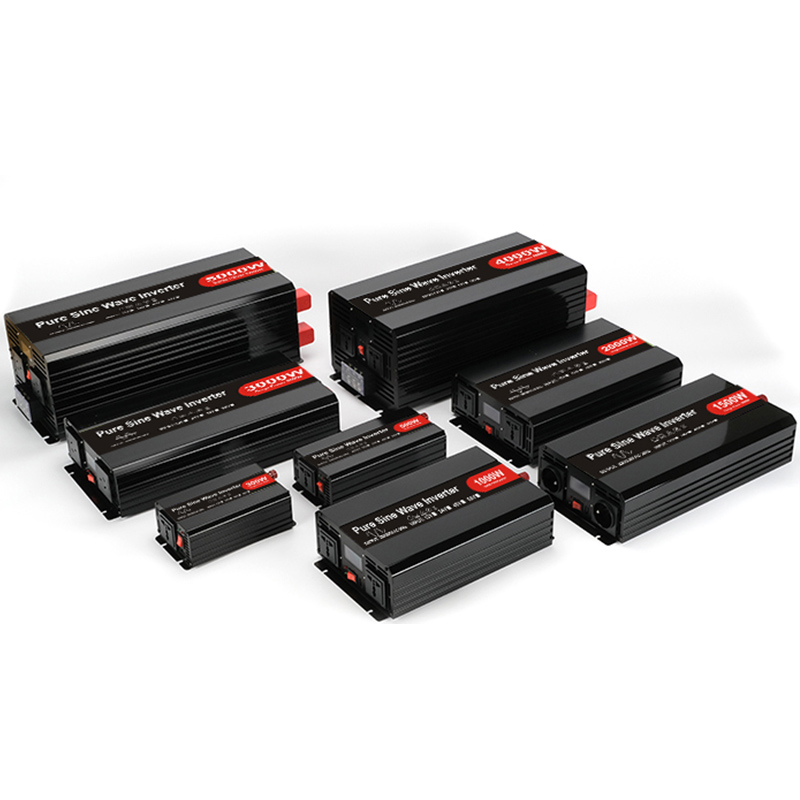
Across North America, the solar panel inverter has moved from a technical component to a strategic gateway for clean electricity. Solar panels alone cannot power homes, factories, or the grid, because they produce direct current while most appliances and power networks operate on alternating current. A solar panel inverter performs this essential conversion, making rooftop systems, commercial installations, and utility-scale solar farms practically usable. In North America, where solar adoption is accelerating and energy storage is expanding rapidly, the solar panel inverter has become one of the most important links between renewable generation and everyday electricity consumption.
The United States remains the dominant market for solar power electronics in North America. In 2026, the country planned to add about 43.4 GW of utility-scale solar capacity, alongside roughly 24.3 GW of battery storage. Almost every new solar project depends on a solar panel inverter to connect generation to local distribution networks or high-voltage transmission lines. States such as Texas, California, and Arizona continue to lead because of strong solar resources, large commercial and industrial loads, and supportive policy frameworks. At the same time, Canada is becoming an increasingly active market, especially in provinces where rising electricity demand, rooftop solar incentives, and winter reliability concerns are encouraging households and businesses to invest in solar-plus-storage systems.
Residential applications show how deeply the solar panel inverter has entered daily life. In the United States, string inverters still account for a large share of new rooftop systems because they are cost-effective and compatible with a wide range of photovoltaic designs. Microinverters, however, have gained strong popularity in North America, particularly where roofs face multiple directions, experience partial shading, or require module-level monitoring. Microinverters allow each panel to operate more independently, improving energy harvest and reducing the impact of shading or equipment failure. Hybrid inverters are also growing quickly, because many homeowners now want to store solar energy, reduce peak electricity bills, and maintain backup power during outages.
Commercial and industrial users rely on a solar panel inverter for a different set of priorities. Factories, warehouses, retail centers, schools, and data centers are increasingly installing rooftop or carport solar systems to lower operating costs and meet sustainability targets. In these projects, three-phase inverters and hybrid inverters are often preferred because they can manage larger power flows, support battery storage, and participate in demand-response programs. As electricity prices become more volatile and corporate decarbonization commitments expand, the commercial solar panel inverter is no longer just a power converter; it is becoming an intelligent energy-management device.
Utility-scale projects represent another major application area. Large solar farms in Texas, Arizona, California, and other regions depend on central and high-power string inverters to convert massive amounts of DC power into grid-compatible AC power. Many of these projects are paired with battery storage, allowing solar energy to be shifted from midday peaks to evening demand periods. This combination improves grid stability, reduces curtailment, and makes solar power more dispatchable. In such environments, the solar panel inverter must meet strict grid codes, support voltage and frequency regulation, and operate reliably for decades under demanding conditions.
Policy has played a major role in shaping demand. The U.S. Inflation Reduction Act has provided long-term tax credits for solar and storage, encouraging both residential and utility developers to expand capacity. At the same time, new equipment authorization rules for power inverters have introduced additional compliance requirements for foreign-manufactured models, especially those with networked communication functions. These policies do not eliminate demand for inverters; instead, they are reshaping supply chains, certification processes, and product design. Manufacturers that can meet North American grid standards, safety certifications, and cybersecurity expectations are likely to benefit from the region’s continued solar expansion.
Technology is also evolving quickly. Modern inverters are becoming smarter, more efficient, and more integrated with batteries, electric vehicle chargers, and cloud-based monitoring platforms. Advanced maximum power point tracking helps systems capture more energy from each panel array, while remote monitoring allows installers and owners to detect faults earlier. Hybrid inverters are increasingly designed to support seamless backup power, and some next-generation devices are being developed with longer service lives to better match the 20- to 30-year lifespan of solar panels. As artificial intelligence and grid-edge control improve, the solar panel inverter is gradually transforming from a passive converter into an active participant in grid management.
Looking ahead, the North American market will continue to be shaped by three forces: policy incentives, storage integration, and grid modernization. Solar power is no longer a niche energy source in the region; it is becoming a mainstream part of the electricity system. Whether on a suburban rooftop in Ontario, a commercial building in California, or a utility-scale solar farm in Texas, the solar panel inverter remains indispensable. It ensures that clean energy generated by the sun can be safely converted, efficiently managed, and reliably delivered to the places where it is needed most.