Address
304 North Cardinal
St. Dorchester Center, MA 02124
Work Hours
Monday to Friday: 7AM - 7PM
Weekend: 10AM - 5PM
Address
304 North Cardinal
St. Dorchester Center, MA 02124
Work Hours
Monday to Friday: 7AM - 7PM
Weekend: 10AM - 5PM

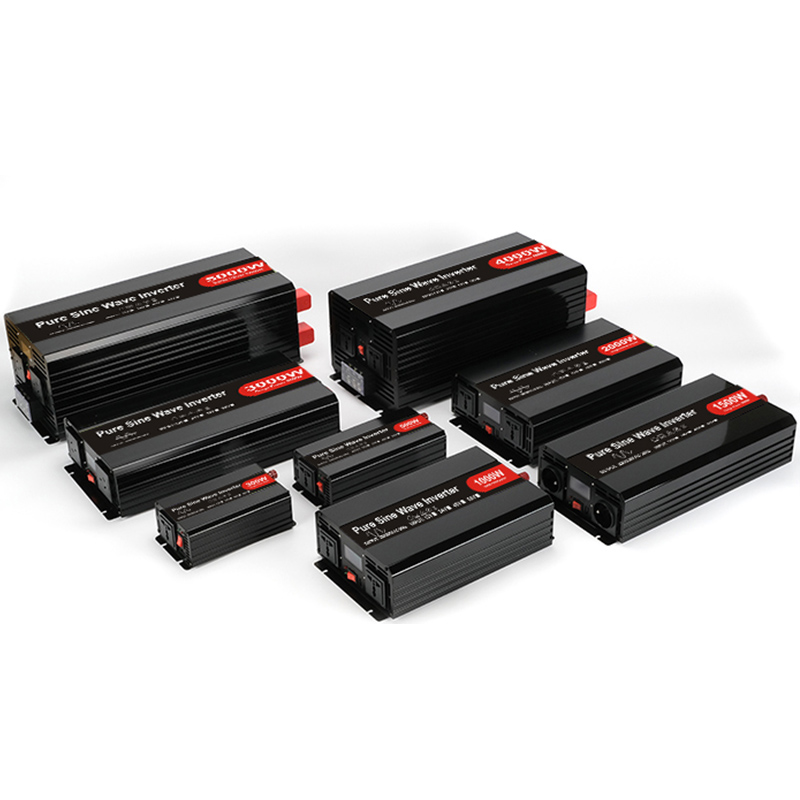
In an era where energy reliability is no longer a given, off-grid inverters have emerged as the backbone of self-sufficient living, empowering homes, businesses, and adventurers to break free from the constraints of traditional utility grids. More than just a technical component, these devices represent a gateway to energy independence, ensuring that critical power remains available even in the most remote locations or during widespread outages.
Generally ,off grid power inverter are divided into two categories: pure sine wave inverter and modified sine wave inverter ,each with distinct advantages and ideal use cases. They could also add battery charger and UPS functions.
At its core, an off-grid power inverter serves as the vital link between stored DC energy—typically from solar panels or batteries—and the AC power that fuels our daily lives. Unlike grid-tied inverters that feed excess energy back to the utility company, off-grid models are engineered to operate autonomously, managing every watt of power from generation to consumption. This self-contained system relies on pure sine wave technology, which delivers clean, stable electricity identical to what you’d receive from a municipal grid. This is not just a convenience; it’s a necessity for protecting sensitive electronics like laptops, medical equipment, and modern appliances from damage caused by inconsistent power quality.
The true value of an off-grid inverter shines in its versatility. For remote cabins and rural homesteads, it transforms sunlight into a year-round power source, eliminating the need for costly and environmentally harmful diesel generators. Overlanders and RV enthusiasts depend on these compact, durable units to keep essential devices running while exploring off-the-grid locations, from desert campsites to mountain trails. Even in urban areas, off-grid inverters provide a critical lifeline during storms or grid failures, ensuring that refrigerators, lighting, and communication tools remain operational when they’re needed most.
Modern off-grid inverters integrate smart technology to maximize efficiency and ease of use. Advanced models feature built-in charge controllers that optimize battery charging from solar panels, extending battery life and reducing maintenance needs. Intuitive LCD displays provide real-time data on voltage, current, and battery status, allowing users to monitor their energy ecosystem at a glance. Safety features like overload protection, short-circuit prevention, and low-voltage shutdowns further enhance reliability, giving users peace of mind that their system will protect both their devices and their investment.
Beyond practical utility, off-grid inverters are a cornerstone of sustainable living. By enabling reliance on renewable energy sources like solar and wind, they reduce carbon footprints and decrease dependence on fossil fuels. As global energy demands rise and grid infrastructure faces increasing strain, the shift toward off-grid solutions is more than a trend—it’s a strategic choice for resilience. Whether you’re seeking to live a self-sufficient lifestyle, protect your home from power outages, or reduce your environmental impact, an off-grid inverter offers a path to energy freedom that is both practical and forward-thinking.
The prospects of off-grid power inverters are brimming with opportunities. Driven by the global dual-carbon strategy and rural revitalization initiatives, the demand for energy transition and power supply in remote areas continues to surge. The industry’s market size maintains rapid growth—China’s domestic market is projected to exceed 21.5 billion yuan by 2026, with export volume set to rise by over 20%. Technologically, high-frequency isolated models have become mainstream; the adoption of third-generation semiconductors such as silicon carbide (SiC) upgrades products toward higher efficiency and lighter weight. Deep integration of intelligence with energy storage systems stands as a core trend, with features like AI-powered fault prediction and remote operation and maintenance increasingly implemented. Application scenarios are also expanding—from traditional off-grid solar power to residential energy storage, emergency disaster relief, and communication base stations, where residential demand has accounted for 42% to become a key growth driver. Meanwhile, the domestic substitution process accelerates, with improved autonomy in upstream core components. Coupled with the energy infrastructure needs of emerging overseas markets, the off-grid inverter industry is poised to enter a new phase of high-quality development amid technological iteration and scenario expansion.
