Address
304 North Cardinal
St. Dorchester Center, MA 02124
Work Hours
Monday to Friday: 7AM - 7PM
Weekend: 10AM - 5PM
Address
304 North Cardinal
St. Dorchester Center, MA 02124
Work Hours
Monday to Friday: 7AM - 7PM
Weekend: 10AM - 5PM
Solar Panel Inverter: The Intelligent Core of Photovoltaic Energy Systems
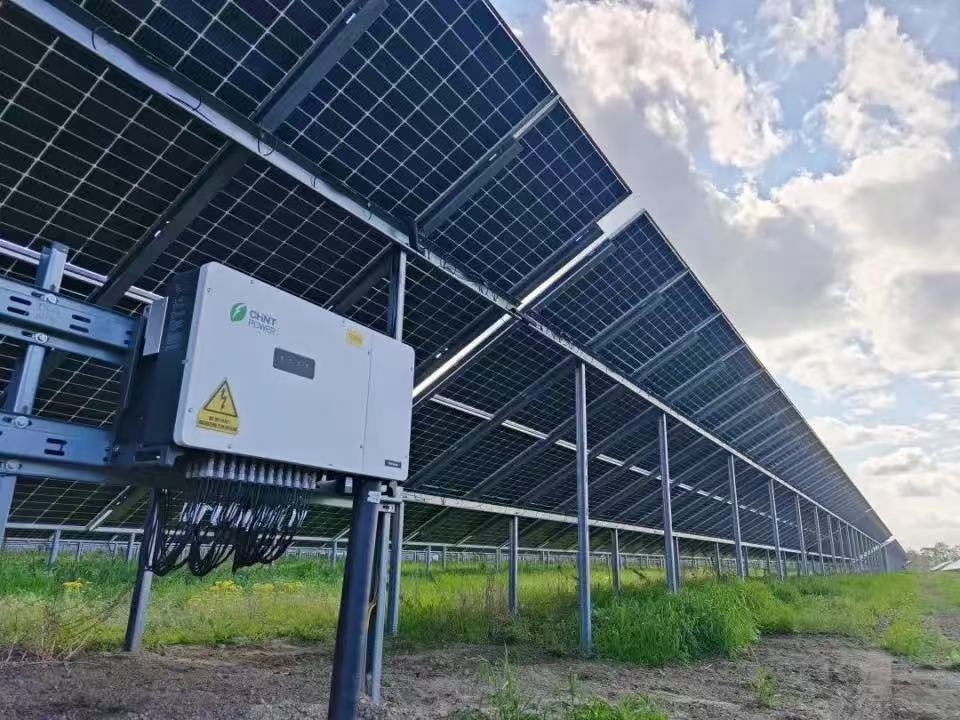
The global transition toward renewable energy has positioned solar power as a cornerstone of sustainable development. At the heart of every efficient solar energy setup lies a critical, yet often underappreciated, component: the solar panel inverter. While photovoltaic panels capture sunlight and convert it into electrical energy, they produce Direct Current (DC), which is incompatible with the Alternating Current (AC) requirements of the vast majority of household appliances and the public power grid. The solar panel inverter serves as the indispensable bridge between raw energy generation and usable power, functioning as the “brain” of the photovoltaic system by managing energy flow, ensuring grid compatibility, and maximizing efficiency.
The Primary Function: DC to AC Conversion
The fundamental purpose of a solar panel inverter is to convert the variable DC output from the solar array into a clean, stable AC waveform. This process is far more complex than a simple translation of electrical formats. The inverter must synchronize the phase, frequency, and voltage of the generated electricity with the utility grid to ensure seamless integration. Without this precise conversion, the electricity generated by the panels would be unusable for running standard electronics or feeding surplus power back into the grid for financial credit. Modern solar panel inverters utilize advanced Pulse Width Modulation (PWM) techniques to produce a near-perfect sinusoidal waveform, ensuring that sensitive electronics operate without interference or damage.
Maximizing Efficiency Through Maximum Power Point Tracking
One of the most significant advantages of a high-quality solar panel inverter is its ability to optimize energy harvest through Maximum Power Point Tracking. Solar panels have a non-linear relationship between voltage and current, and their peak power output shifts constantly due to environmental factors such as solar irradiance, temperature fluctuations, and partial shading. An MPPT algorithm continuously monitors the output of the solar array and adjusts the electrical operating point to extract the absolute maximum power available at any given moment.
Without MPPT, a solar system could lose a substantial percentage of its potential yield. For instance, if a cloud passes over a portion of the array or if panels become shaded by debris, the voltage of the string can drop. A traditional inverter might stall or operate inefficiently, whereas a modern inverter with sophisticated MPPT can “track” the new peak power point, ensuring that the system continues to generate electricity effectively despite suboptimal conditions. This intelligent adaptation can increase annual energy production by up to 30% compared to systems without dynamic tracking.
System Monitoring and Smart Energy Management
Beyond conversion and optimization, contemporary solar panel inverters are hubs of data and communication. They provide real-time monitoring capabilities that allow system owners and operators to track energy production, consumption, and efficiency via smartphone apps or web portals. This transparency is invaluable for identifying potential issues, such as a sudden drop in output indicating a faulty panel or inverter malfunction, often before the user notices a change in their electricity bill.
Furthermore, advanced inverters are integrating with home energy management systems. They can communicate with battery storage units to charge during periods of excess production and discharge during peak tariff hours, effectively reducing reliance on the grid and maximizing cost savings. Some inverters can even manage “islanding” protection, automatically disconnecting from the grid during a blackout to prevent back-feeding electricity and endangering utility workers, while potentially providing backup power to critical loads if paired with a battery.
Durability and Reliability in Diverse Environments
Solar panel inverters are designed to operate reliably for decades, often with warranties ranging from 10 to 25 years. They are engineered to withstand harsh environmental conditions, including extreme temperatures, humidity, and dust. High ingress protection ratings ensure that outdoor-rated inverters are safe from water and particle intrusion. The reliability of the inverter is paramount because, unlike a single solar panel which might fail and only reduce overall output slightly, an inverter failure typically brings the entire system to a halt. Consequently, manufacturers invest heavily in robust electronic components and efficient cooling systems to ensure longevity and minimize downtime.
The Economic and Environmental Impact
The efficiency and capabilities of the solar panel inverter have a direct impact on the return on investment for solar energy systems. By maximizing the energy harvest from the installed panels, the inverter reduces the payback period of the initial capital expenditure. Additionally, features like net metering integration—where excess electricity is sold back to the grid—rely entirely on the inverter’s ability to feed compliant AC power into the utility lines. From an environmental perspective, by ensuring that every photon captured by the solar panel is utilized to its fullest potential, inverters reduce the carbon footprint of energy generation and accelerate the displacement of fossil fuels.
Conclusion
In summary, the solar panel inverter is far more than a simple converter; it is the intelligent core that unlocks the true potential of solar energy. From the precise conversion of DC to AC, to the sophisticated optimization of power output via MPPT, to the smart management of energy storage and grid interaction, the inverter plays a multifaceted role in modern photovoltaic systems. As technology advances, we can expect inverters to become even more efficient, smarter, and more tightly integrated with the evolving smart grid and decentralized energy ecosystems. For anyone investing in solar power, recognizing the critical importance of the inverter is key to ensuring a system that is not only powerful but also resilient and future-proof.
