Address
304 North Cardinal
St. Dorchester Center, MA 02124
Work Hours
Monday to Friday: 7AM - 7PM
Weekend: 10AM - 5PM
Address
304 North Cardinal
St. Dorchester Center, MA 02124
Work Hours
Monday to Friday: 7AM - 7PM
Weekend: 10AM - 5PM
How to Choose Between High-Wattage and Low-Wattage Inverters Based on Your Needs
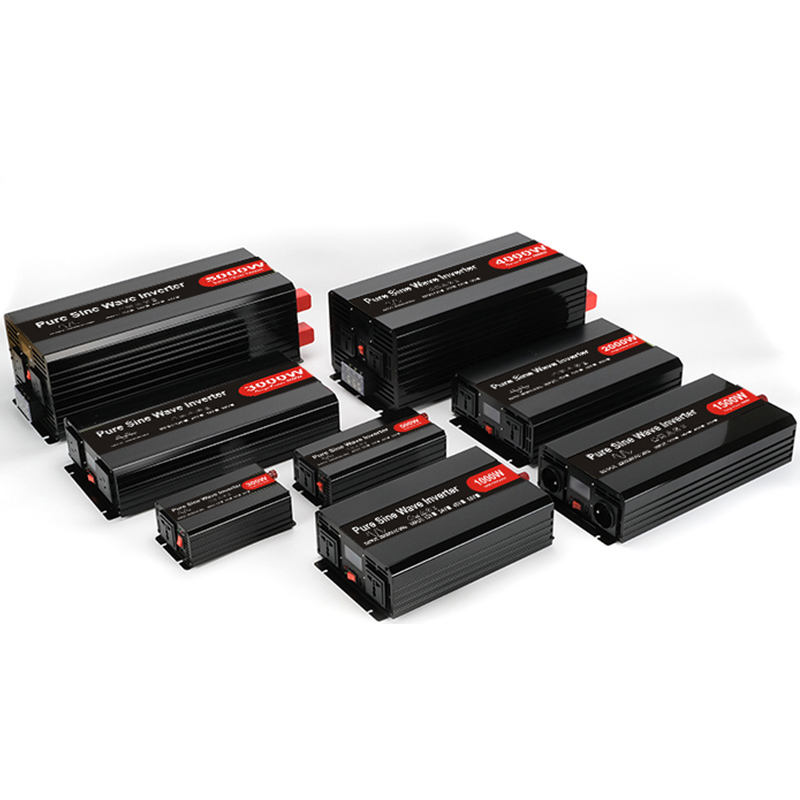
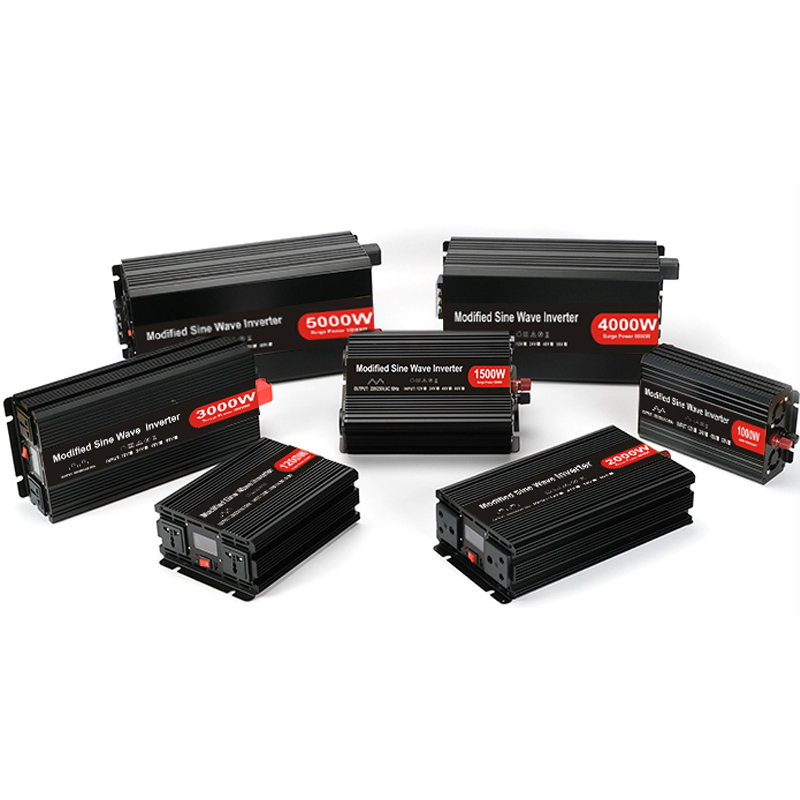
Selecting the appropriate inverters is one of the most critical decisions when designing a solar power system, an off-grid cabin setup, or a backup power solution. The core dilemma often lies in choosing between high-wattage and low-wattage models. This decision should never be based solely on price; rather, it requires a comprehensive analysis of your specific energy needs, load characteristics, budget constraints, and future expansion plans. Understanding the distinct advantages and limitations of each category will ensure you build a reliable, efficient, and cost-effective electrical system.
Low-wattage inverters, typically ranging from 300 watts to 3,000 watts, are designed for smaller-scale applications where portability and targeted power delivery are paramount. These units are ideal for recreational vehicles (RVs), camper vans, boats, and small off-grid cabins. If your primary goal is to charge laptops, power LED lighting, run small refrigerators, or operate basic entertainment systems, a low-wattage inverter is perfectly suited for the task. One of the most significant advantages of these smaller units is their affordability. They require a lower initial investment and can often be paired with smaller, less expensive battery banks. Furthermore, they usually operate at lower DC voltages (such as 12V or 24V), which makes them safer and easier for DIY enthusiasts to install without specialized high-voltage training. However, users must be cautious not to exceed the continuous wattage rating, as low-wattage inverters generally have limited surge capacity and cannot handle heavy motor-driven appliances like well pumps or large air conditioners.
Conversely, high-wattage inverters, which typically start at 5,000 watts and can scale up to tens of thousands of watts, are engineered for whole-home backup power, commercial facilities, and grid-tied solar arrays. When selecting a high-wattage inverter, the primary consideration is the simultaneous load demand. You must calculate the total running wattage of all essential appliances—such as HVAC systems, electric water heaters, washing machines, and kitchen appliances—and add a safety margin of at least 20% to 30%. High-wattage inverters also boast superior surge capabilities, easily accommodating the massive startup currents required by compressors and motors. Additionally, these larger systems usually operate at higher DC voltages (48V or above). Higher voltage translates to lower current flow, which significantly reduces energy loss in the cables and allows for thinner, more cost-effective wiring over long distances. While the upfront cost of a high-wattage inverter and its accompanying infrastructure is substantial, the long-term benefits include greater scalability, higher overall efficiency under heavy loads, and seamless integration with smart home energy management systems.
The concept of “surge power” versus “continuous power” plays a vital role in bridging the gap between high and low wattage Inverters selections. Every electrical device has two ratings: the power it needs to start (surge) and the power it needs to keep running (continuous). A common mistake is matching an inverter strictly to the continuous load while ignoring the surge. For instance, a 1,500-watt space heater might have a startup surge of 3,000 watts. If you choose a low-wattage inverter rated at exactly 1,500 watts continuous, it will likely trip its overload protection the moment you turn the heater on. Therefore, whether you are leaning toward a high or low wattage model, always ensure the inverter’s peak surge rating exceeds the highest single-device surge requirement in your system.
Efficiency curves also dictate how you should size your inverter. Inverters do not operate at peak efficiency across their entire range; they are most efficient when operating between 50% and 80% of their maximum capacity. If you install a massive 10,000-watt inverters but only consistently draw 500 watts, the system will suffer from poor conversion efficiency, wasting precious battery power as heat. Conversely, if you install a 1,000-watt inverters and constantly push it to 950 watts, it will generate excessive heat, potentially shortening its lifespan and triggering thermal shutdowns. Matching the inverter size to your average daily load profile is just as important as sizing it for your peak load.
Future-proofing is another crucial factor in this selection process. Energy needs tend to grow over time. You may currently live in a tiny house with minimal appliances, but you might plan to add an electric vehicle charger or expand your living space in the next five years. If your budget allows, opting for a slightly higher-wattage inverters now can save you from having to replace the entire unit later. Many modern high-wattage inverters also offer parallel capabilities, allowing you to connect multiple units together to increase total system capacity as your needs evolve. Low-wattage systems rarely offer this flexibility, meaning an upgrade would require a complete system overhaul.
Finally, consider the installation environment and maintenance requirements. High-wattage inverters are heavier, generate more heat, and often require active cooling via internal fans. They should be installed in well-ventilated areas, away from direct sunlight and moisture. Low-wattage inverters are generally more compact and can be passively cooled, making them suitable for tighter spaces. Regardless of the wattage you choose, always prioritize reputable brands that offer robust warranties, clear technical documentation, and reliable customer support.
In conclusion, there is no universally perfect inverters; there is only the perfect inverter for your specific circumstances. Assess your current and future loads, understand the nuances of surge versus continuous power, evaluate your efficiency requirements, and balance your budget accordingly. By taking a methodical approach to sizing, you can confidently select either a nimble low-wattage unit or a robust high-wattage powerhouse, ensuring your electrical system serves you reliably for years to come.