Address
304 North Cardinal
St. Dorchester Center, MA 02124
Work Hours
Monday to Friday: 7AM - 7PM
Weekend: 10AM - 5PM
Address
304 North Cardinal
St. Dorchester Center, MA 02124
Work Hours
Monday to Friday: 7AM - 7PM
Weekend: 10AM - 5PM
How to Select the Right Pure Sine Wave Inverter: A Comprehensive Guide
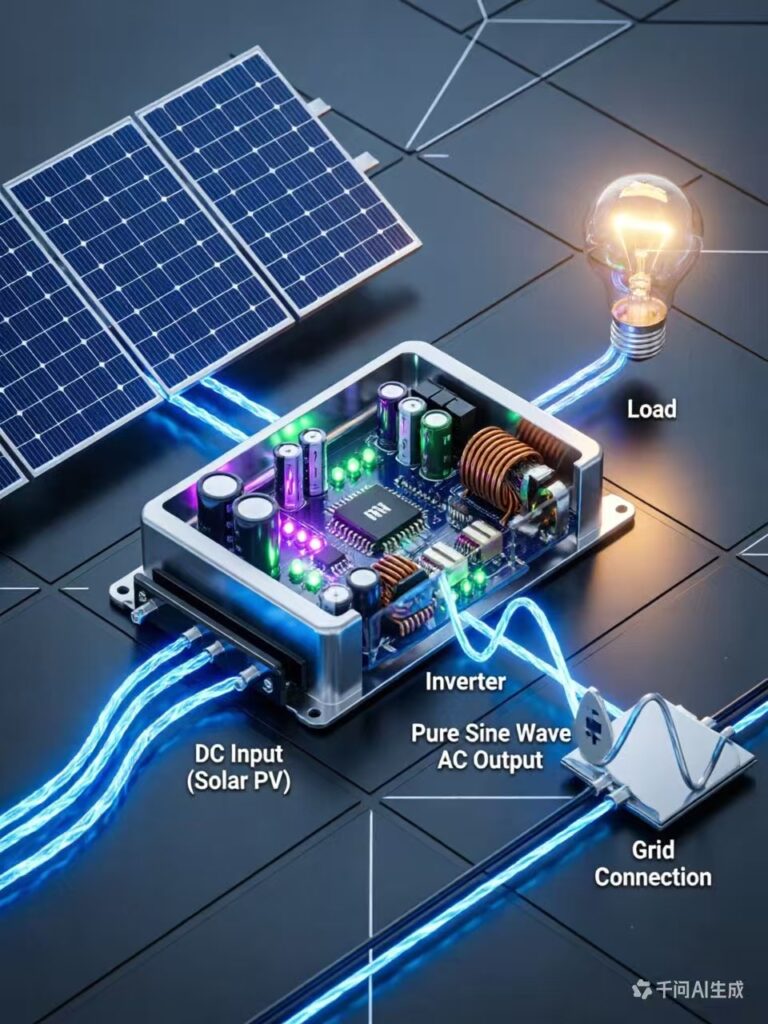
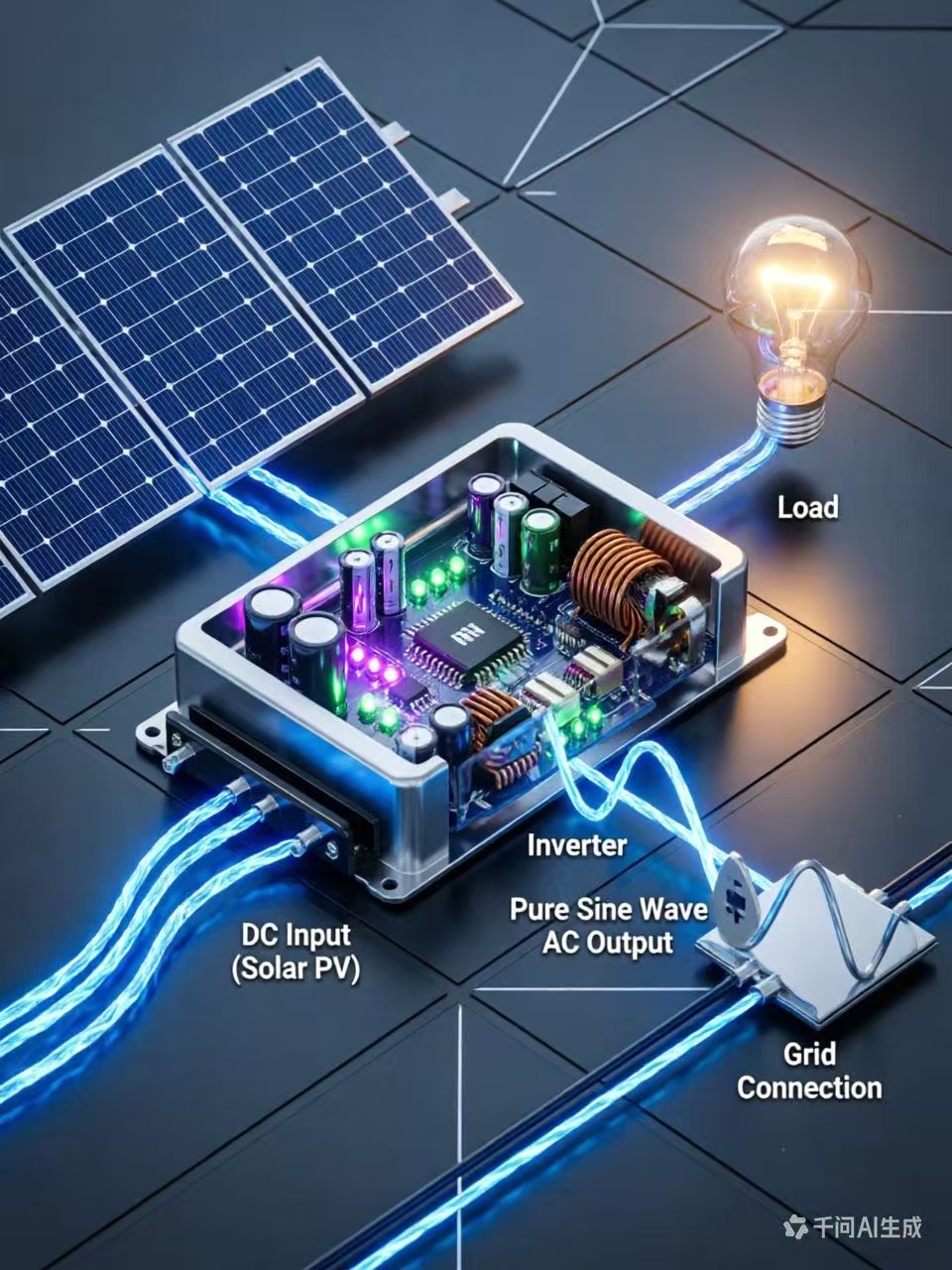
In the modern landscape of renewable energy and mobile power solutions, the inverter serves as the critical bridge between energy storage and consumption. Whether you are outfitting a recreational vehicle (RV), setting up an off-grid solar system, or securing a backup power supply for your home, the choice of inverter determines not just the functionality of your appliances, but their longevity and safety. Among the various technologies available, the pure sine wave inverter stands out as the gold standard. This guide will walk you through the essential factors to consider to ensure you select the perfect unit for your specific needs.
Understanding the Waveform: Why Pure Sine Wave Matters
The primary distinction in the inverter market lies in the waveform of the Alternating Current (AC) output. To understand why a pure sine wave inverter is necessary, one must compare it to its counterpart: the modified sine wave inverter.
Grid power—the electricity that comes from your wall socket—is a smooth, oscillating wave known as a sine wave. A pure sine wave inverter replicates this smooth curve with high precision, typically keeping Total Harmonic Distortion (THD) below 3%. This “clean” electricity is vital for sensitive electronics. Devices like laptops, medical equipment (such as CPAP machines), variable speed motors, and audio equipment rely on this smooth transition of voltage.
In contrast, modified sine wave inverters output a stepped, blocky approximation of a sine wave. While cheaper, this waveform can cause significant issues. It may lead to overheating in motors, audible buzzing in audio equipment, and visual noise on screens. In severe cases, the harsh voltage transitions can damage the internal circuitry of sensitive devices. Therefore, if your application involves anything more complex than a simple resistive heater or incandescent bulb, a pure sine wave inverter is not just a luxury—it is a necessity.
Calculating Power Requirements: The Art of Sizing
One of the most common mistakes users make is undersizing their inverter. Selecting the correct power rating requires a detailed analysis of your energy consumption. You must distinguish between two types of power ratings: continuous power and peak (or surge) power.
Continuous power is the amount of wattage the inverter can sustain over a long period. To calculate this, you need to sum up the wattage of all the devices you intend to run simultaneously. For example, if you plan to run a 100W laptop, a 60W LED light, and a 150W television at the same time, your continuous load is 310W.
However, many appliances, particularly those with electric motors or compressors like refrigerators, air conditioners, and pumps, require a massive burst of power to start. This is known as inrush current or surge power. This startup spike can be 3 to 7 times the appliance’s rated running wattage. If your refrigerator runs at 200W but requires 1200W to start, a 500W inverter will trip immediately upon startup, even though the running wattage is well within limits.
Therefore, when selecting a pure sine wave inverter, you must ensure its peak power rating exceeds the highest startup surge of your connected loads. A good rule of thumb is to choose an inverter with a continuous rating that is at least 20% to 30% higher than your calculated total load. This headroom prevents the inverter from running at maximum capacity constantly, reducing heat generation and extending the unit’s lifespan.
Input Voltage and System Compatibility
Inverters are designed to operate with specific Direct Current (DC) input voltages, commonly 12V, 24V, or 48V. This choice is usually dictated by your battery bank configuration.
For smaller setups, such as car camping or small RVs, a 12V system is standard. However, as power demands increase, higher voltage systems become more efficient. A 24V or 48V system draws less current (amperage) to produce the same amount of power compared to a 12V system. Lower current means less heat loss in the cabling and allows for the use of thinner, more manageable wires.
If you are building a substantial off-grid solar system or a high-capacity backup for a home, a 48V pure sine wave inverter is often the superior choice. It maximizes efficiency and reduces the strain on your battery bank. Always verify that the inverter’s input voltage matches your battery bank’s nominal voltage exactly; connecting a 12V inverter to a 24V battery will destroy the unit instantly.
Efficiency and Thermal Management
Efficiency is a measure of how much DC power is successfully converted into AC power. The rest is lost as heat. High-quality pure sine wave inverters typically boast efficiency ratings between 90% and 95%.
Why does this matter? If you have a 1000W load and your inverter is 85% efficient, your batteries must supply roughly 1176W. If the inverter is 95% efficient, the batteries only supply roughly 1050W. Over the course of a day, higher efficiency translates to significant energy savings and longer battery runtime.
Thermal management is equally critical. Inverters generate heat, especially under heavy loads. Look for units equipped with intelligent cooling fans that activate based on temperature or load, rather than running continuously. This reduces noise and wear on the fan. Additionally, ensure the inverter has a robust aluminum heatsink design. For installations in enclosed spaces, verify that the inverter has adequate airflow clearance as specified by the manufacturer.
Safety Features and Certifications
When dealing with high-voltage electricity and large battery banks, safety is paramount. A reliable pure sine wave inverter must include a comprehensive suite of protection mechanisms.
Essential protections include:
Furthermore, look for independent safety certifications such as UL (Underwriters Laboratories), CE (Conformité Européenne), or CSA. These certifications indicate that the device has been tested by a third party to meet rigorous safety standards. In the context of grid-tied systems, ensure the inverter meets local grid interconnection standards (like IEEE 1547 in the US or VDE in Europe) to ensure it can safely synchronize with the utility grid.
Installation and Connectivity
Finally, consider the physical installation and connectivity features. Modern inverters often come with Wi-Fi or Bluetooth capabilities, allowing you to monitor energy production and consumption via a smartphone app. This data is invaluable for troubleshooting and optimizing your energy usage.
For the physical connection, high-power inverters (typically over 1000W) should not be plugged into a cigarette lighter socket, which is usually fused at 10A or 15A. Instead, they must be hardwired directly to the battery terminals using the appropriate gauge cable. Undersized cables can cause voltage drops, triggering the inverter’s low-voltage alarm or causing the cables to overheat and melt. Always refer to the manufacturer’s manual for the recommended cable size based on the distance between the battery and the inverter.
In conclusion, selecting the right pure sine wave inverter involves a balance of technical understanding and practical application. By prioritizing waveform quality, accurately calculating your power needs with a safety margin, matching your system voltage, and insisting on robust safety features, you can ensure a reliable and efficient power supply for years to come.