Address
304 North Cardinal
St. Dorchester Center, MA 02124
Work Hours
Monday to Friday: 7AM - 7PM
Weekend: 10AM - 5PM
Address
304 North Cardinal
St. Dorchester Center, MA 02124
Work Hours
Monday to Friday: 7AM - 7PM
Weekend: 10AM - 5PM

Powering Progress: The Versatile Applications of Power Inverters in Modern Life
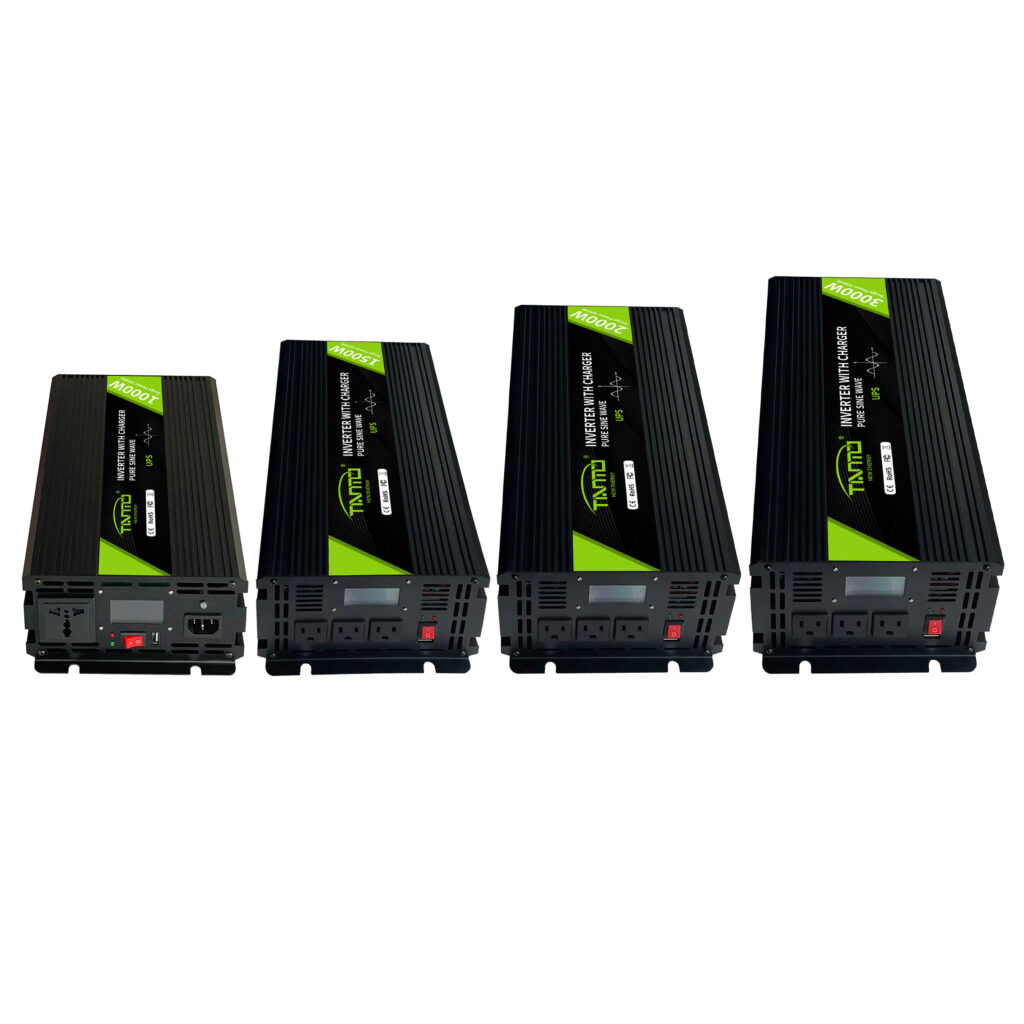
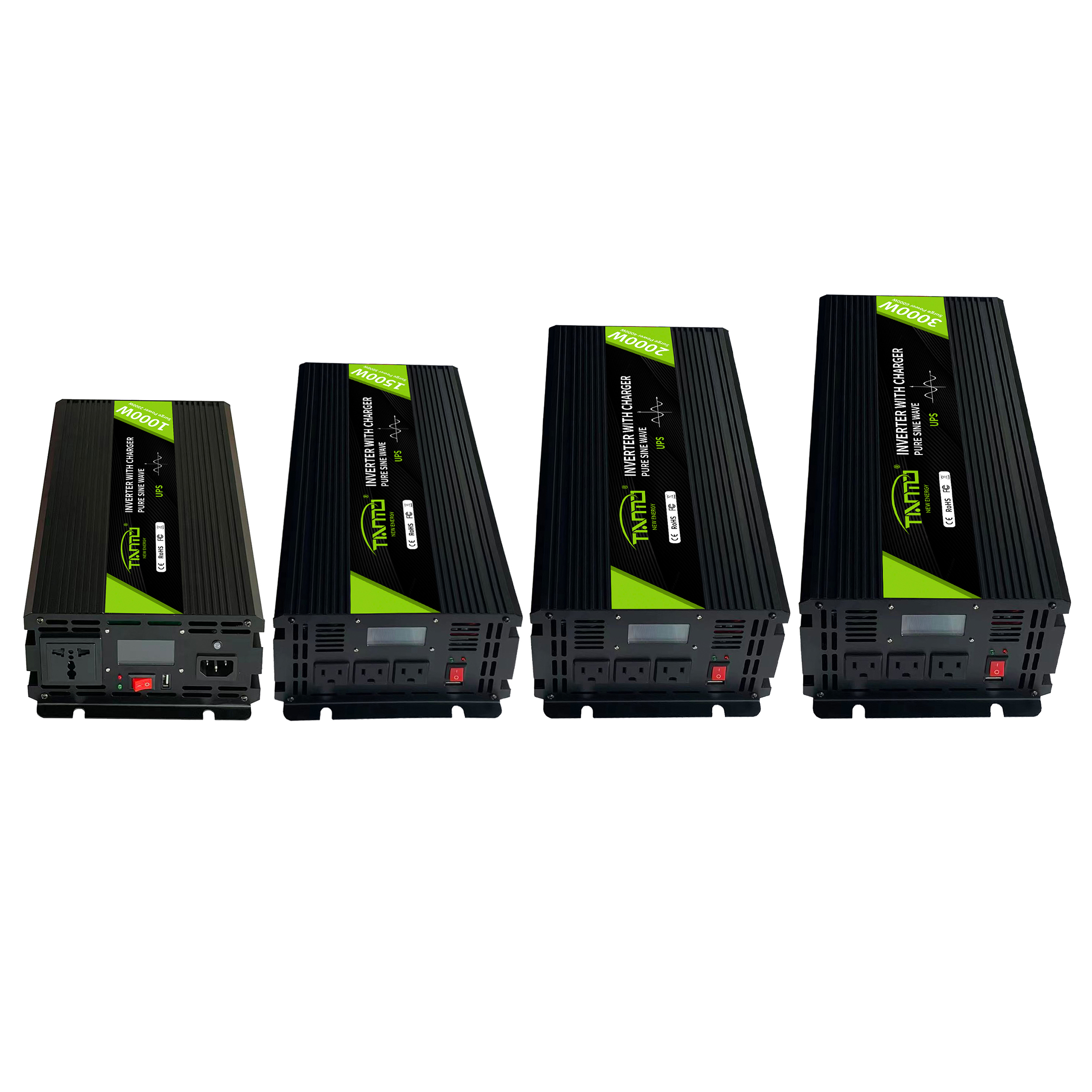
In an era increasingly defined by mobility, renewable energy adoption, and off-grid living, the power inverters has emerged as a cornerstone technology in modern electrical systems. A power inverter is an electronic device that converts direct current (DC) into alternating current (AC), enabling the use of standard household appliances and industrial equipment from non-traditional power sources such as batteries, solar panels, or vehicle electrical systems. Its applications span across residential, commercial, industrial, and recreational domains, making it an indispensable component in today’s energy landscape.
One of the most common uses of a power inverters is in recreational vehicles (RVs) and camping setups. Outdoor enthusiasts often rely on 12V or 24V DC battery systems to power essential electronics. However, most consumer devices—such as laptops, televisions, and kitchen appliances—require AC power. A high-quality power inverter bridges this gap, allowing campers to enjoy home-like comforts even in remote locations. Whether it’s running a mini-fridge, charging smartphones, or powering a coffee maker, the power inverter ensures uninterrupted access to electricity, enhancing the overall outdoor experience.
In the realm of renewable energy, the power inverters plays a pivotal role in solar power systems. Solar panels generate DC electricity, but homes and businesses operate on AC. Therefore, a power inverter is essential for converting the solar-generated DC into usable AC power. Modern solar inverters are equipped with advanced features such as maximum power point tracking (MPPT), which optimizes energy harvest from solar arrays. Without a reliable power inverter, the integration of solar energy into the grid or off-grid systems would be impractical. As global demand for clean energy rises, the importance of efficient and intelligent power inverters continues to grow.
Emergency preparedness is another critical area where power inverters prove invaluable. During natural disasters or power outages, a backup battery system paired with a power inverter can provide essential electricity for lighting, communication devices, medical equipment, and refrigeration. This capability is especially crucial for households with individuals who depend on electrically powered medical devices. A robust power inverter ensures that life-support systems remain operational, offering peace of mind during crises.
In industrial and commercial settings, power inverters are used to control the speed and torque of electric motors, improving energy efficiency and process control. Variable frequency drives (VFDs), which incorporate power inverters, are widely used in manufacturing, HVAC systems, and water treatment plants. By adjusting motor speed to match load requirements, these systems reduce energy consumption and extend equipment lifespan. The precision and reliability offered by industrial-grade power inverters contribute significantly to operational efficiency and cost savings.
Moreover, the power inverters is a key enabler in the growing electric vehicle (EV) ecosystem. While EVs primarily use DC batteries, many onboard systems and external charging interfaces require AC power. Bidirectional power inverters allow EVs to not only draw power but also supply it back to homes or the grid—a concept known as vehicle-to-grid (V2G) technology. This innovation transforms electric cars into mobile energy storage units, further highlighting the versatility of the power inverter.
In conclusion, the power inverter is far more than a simple conversion device. It is a vital link between diverse energy sources and modern electrical demands. From enhancing outdoor adventures to enabling sustainable energy solutions and ensuring emergency resilience, the power inverter continues to evolve and expand its impact. As technology advances, we can expect even smarter, more efficient power inverters to power the future of energy consumption.