Address
304 North Cardinal
St. Dorchester Center, MA 02124
Work Hours
Monday to Friday: 7AM - 7PM
Weekend: 10AM - 5PM
Address
304 North Cardinal
St. Dorchester Center, MA 02124
Work Hours
Monday to Friday: 7AM - 7PM
Weekend: 10AM - 5PM


Powering the Silk Road: China’s Role in Uzbekistan’s Green Energy Matrix
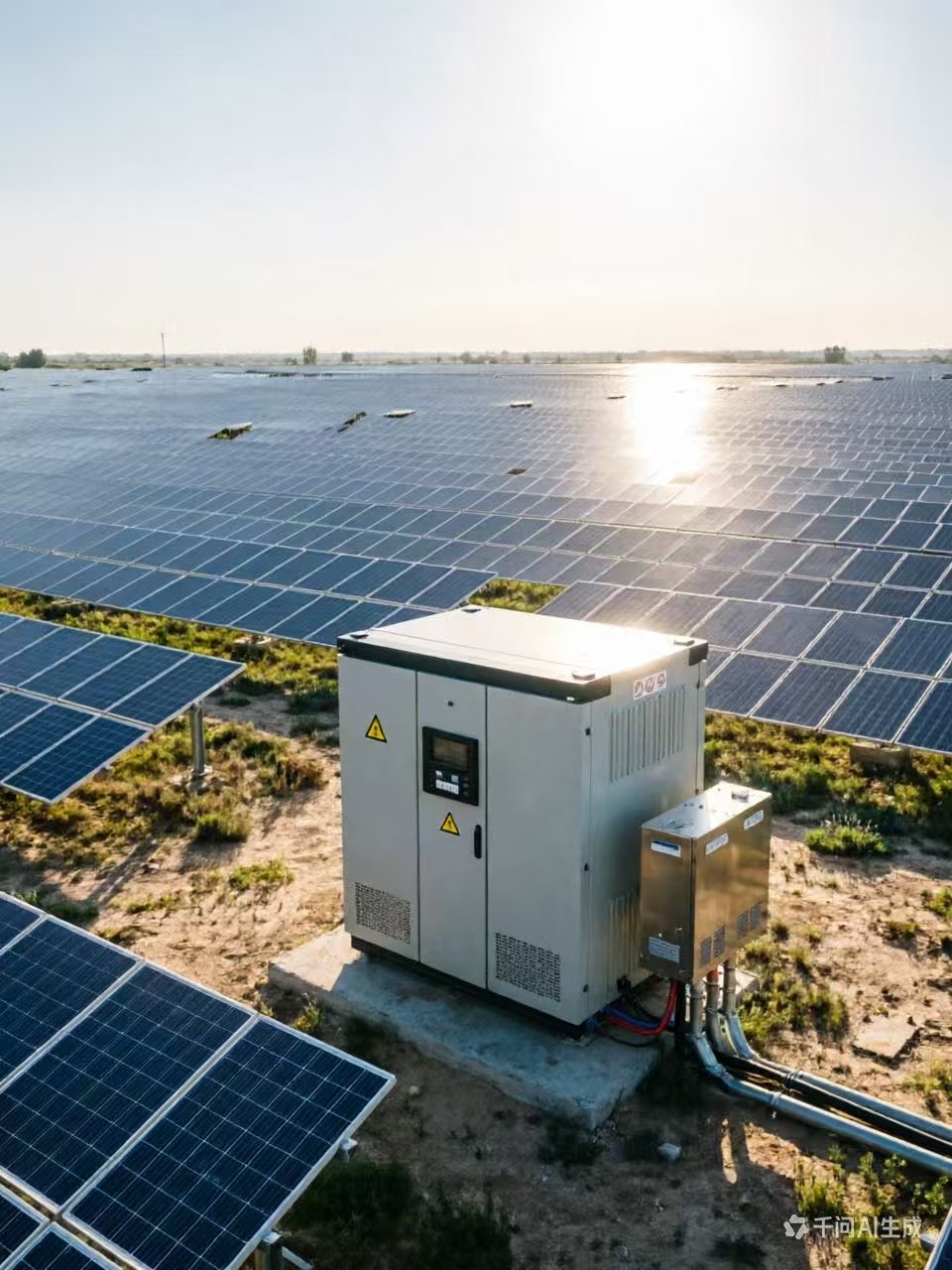
The sun beats down relentlessly on the vast, arid steppes of Uzbekistan, a landlocked nation that sits at the historic heart of the Silk Road. For centuries, this region was a conduit for silk, spices, and ideas. Today, a new exchange is taking place. As the world grapples with the climate crisis, Uzbekistan is undergoing a profound energy transformation, shifting away from fossil fuel dependency toward a sustainable, green future. At the forefront of this transition is a robust partnership with China, where advanced engineering and massive infrastructure investments are turning the harsh desert sun into a powerhouse of clean electricity. This collaboration is not merely about installing solar panels; it is about constructing a sophisticated, power inverter, resilient energy matrix capable of powering a modern economy.
The urgency of this transition is driven by both environmental necessity and economic reality. Uzbekistan, while rich in natural gas, has faced increasing energy shortages that threaten its industrial growth and the daily lives of its citizens. The government’s “Uzbekistan-2030” strategy explicitly targets a massive increase in renewable energy capacity, aiming for renewables to account for a significant percentage of the energy mix within the decade. To achieve these ambitious goals, the country requires not just capital, but the technological maturity that Chinese enterprises have honed over years of dominating the global solar market. From the bustling outskirts of Tashkent to the remote deserts of Bukhara and the mountainous regions, Chinese-built projects are reshaping the national grid.
Central to this green revolution is the deployment of massive photovoltaic (PV) parks that function as integrated systems rather than isolated generators. A prime example is the Bukhara 1 GW Wind and Solar project, a landmark initiative that stands as one of the largest of its kind in Central Asia. These projects are engineering marvels, but their true sophistication lies in the invisible technology that manages the flow of electricity. While the shimmering blue expanse of solar panels captures the public eye, the unsung hero of this energy matrix is the power inverter. This critical component serves as the brain and heart of the solar station, converting the variable direct current (DC) generated by the sun into the stable alternating current (AC) required by the national grid.
The selection and deployment of high-quality power inverters are paramount in a region known for its extreme climate. Uzbekistan’s terrain presents a “dual threat” of scorching summers and freezing winters, coupled with frequent dust storms. Standard inverters might falter under such thermal stress or succumb to dust infiltration. However, the Chinese technology deployed in these regions—often utilizing advanced string inverters or centralized containerized solutions—is engineered for resilience. These devices feature sophisticated thermal management systems and high ingress protection ratings, ensuring they can operate at peak efficiency even when temperatures soar or dust clouds obscure the horizon. The power inverter acts as the guardian of the system, constantly monitoring voltage and frequency to ensure that the energy fed into the grid is clean, stable, and safe for consumption by homes and factories alike.
Furthermore, the integration of energy storage systems (ESS) has elevated these projects from simple power plants to complex “energy matrices.” The intermittency of solar power—its inability to generate electricity at night—has long been the Achilles’ heel of renewable energy. Chinese developers have addressed this by coupling gigawatt-scale solar farms with massive battery storage facilities, such as the Tashkent light storage project. In this symbiotic setup, the power inverter plays a dual role. During the day, it converts solar energy for immediate use; simultaneously, it manages the charging of the battery banks. When the sun sets, the system reverses the flow, drawing from the batteries and using the inverter to stabilize the discharge back into the grid. This “peak shaving” and “valley filling” capability transforms solar energy from a variable resource into a reliable baseload power source, effectively solving the “look at the weather” dilemma of renewable energy.
Beyond the hardware, the “soft” connectivity of these projects highlights the depth of the cooperation. The management of these complex energy matrices requires a skilled workforce. Chinese companies operating in Uzbekistan have prioritized localization, employing thousands of local workers and engineers. This transfer of knowledge is crucial. Local engineers are being trained not just in construction, but in the operation and maintenance of these high-tech systems. They learn to interpret the data streams provided by the smart monitoring systems of the inverters, allowing for predictive maintenance. If an inverter detects a temperature anomaly or a grid fluctuation, the local team is trained to respond, ensuring the longevity of the infrastructure. This human element ensures that the technology remains sustainable long after the construction crews have departed.
The environmental impact of this collaboration is measurable and profound. Projects like the 1 GW solar initiatives are expected to reduce carbon dioxide emissions by millions of tons annually. This is not just a statistic; it represents cleaner air for the residents of Tashkent and a reduction in the water usage typically associated with thermal power generation—a critical factor in a water-scarce region. The “green matrix” is also fostering biodiversity in unexpected ways. In some project areas, the reduction of wind speed at ground level due to the panel structures, combined with reduced soil disturbance, has allowed vegetation to recover, turning barren land into semi-arid pastures.
As Uzbekistan looks toward 2030, the roadmap is clear. The country aims to become a regional energy hub, potentially exporting green energy to neighbors like Afghanistan and Kyrgyzstan. The backbone of this ambition is the robust, interconnected grid being built today. Chinese technology, characterized by high efficiency and cost-effectiveness, provides the foundation for this future. The power inverter, though a single component, symbolizes the broader relationship: a device that takes raw potential and converts it into usable, shared power.
In conclusion, the partnership between China and Uzbekistan in the realm of green energy is a testament to the power of international cooperation in the face of global challenges. It is a relationship that goes beyond transactional construction; it is about building a sustainable ecosystem. By leveraging advanced solar technologies and the critical stability provided by modern power inverters, Uzbekistan is not just lighting up its cities; it is illuminating a path toward a greener, more prosperous future for all of Central Asia. The energy matrix being woven across the Uzbek landscape is a bridge to the future, powered by the sun and engineered for endurance.